A blend of heritage and modernity in the heart of Saudi Arabia — where ancient Najdi culture meets futuristic ambition.
Riyadh is the capital and largest city of Saudi Arabia, with a population of over 7 million. Located in the heart of the Arabian Peninsula on a large plateau, the city has transformed from a small walled town into a major global metropolis in just a few decades.
Riyadh is the political, financial, and administrative center of Saudi Arabia. It houses the government headquarters, foreign embassies, and the headquarters of many major Saudi companies. The city is rapidly modernizing under Saudi Vision 2030, with massive projects including the futuristic NEOM megacity, the Diriyah Gate development, and the Riyadh Metro.
While Riyadh is not a pilgrimage destination like Makkah or Madinah, it offers visitors a unique perspective on Saudi culture, history, and the country's ambitious future. The city is home to some of the kingdom's most important heritage sites, particularly the At-Turaif district in Diriyah — the original home of the Saudi royal family and a UNESCO World Heritage Site.
Notable attractions and landmarks in Riyadh for visitors to explore.
The original home of the Saudi dynasty and a UNESCO World Heritage Site since 2010. Built in the Najdi architectural style with mud-brick walls, it was the first capital of the Saudi state (1727-1818).
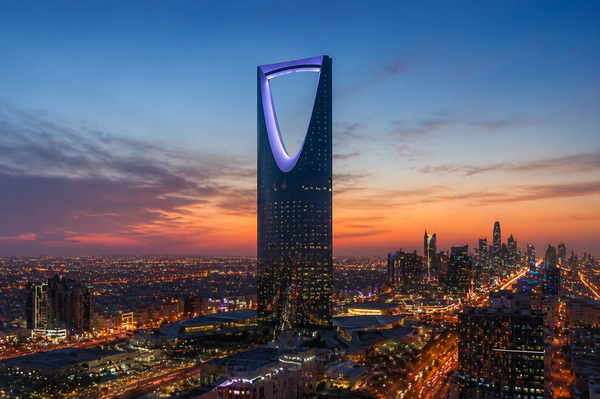
Riyadh's most distinctive skyscraper with its famous inverted arch at the top. Houses a luxury mall, Four Seasons hotel, and the Sky Bridge observation deck at 300 meters with panoramic city views.
The first skyscraper in Saudi Arabia, with its distinctive golden sphere near the top containing a luxury restaurant with panoramic views. A symbol of Riyadh's modernization since 2000.
The kingdom's premier museum showcasing Saudi history from prehistoric times to the modern era. Contains Islamic artifacts, ancient manuscripts, and exhibits on the unification of Saudi Arabia.
A clay and mud-brick fort built in 1865, famous as the site where King Abdulaziz recaptured Riyadh in 1902 — the event that led to the establishment of modern Saudi Arabia. Now a museum.
Part of the King Abdullah Financial District, this area showcases Riyadh's futuristic ambitions with striking modern architecture and public spaces.
Essential information for visitors traveling to Riyadh.
King Khalid International Airport (RUH) is 35 km north of the city. Direct flights from many international cities. Domestic flights connect to Jeddah (~1.5 hr) and Madinah (~1.5 hr).
Riyadh has a wide range of hotels from budget to ultra-luxury. The Al-Olaya district is the main business and hotel area. Prices are generally lower than Makkah during peak pilgrimage seasons.
October to April is ideal with pleasant 20-30°C days. Summer (May-September) is extremely hot, regularly exceeding 45°C. Winters can be surprisingly cool at night (8-12°C).
Riyadh's food scene is growing rapidly. Traditional Najdi cuisine (kabsa, mandi), plus fine dining, international restaurants, and trendy cafes in the Al-Olaya and Diriyah areas.
Uber and Careem are the easiest way to get around. The Riyadh Metro (6 lines) is opening progressively. Driving is common but traffic can be heavy. The city is very spread out.
Riyadh is open to all nationalities. Saudi Arabia now offers e-visas and visa-on-arrival for 49+ countries. Transit visas allow short stays. Umrah visa holders can visit Riyadh freely.
Kingdom Centre Mall, Riyadh Park, and Panorama Mall are major shopping destinations. The Souq al-Zal traditional market offers authentic Arabian goods, spices, and antiques.
Riyadh is more conservative than Jeddah. Dress modestly. Modesty is expected in public spaces. Entertainment options have expanded greatly since 2018 with cinemas, concerts, and festivals.
Combine your Umrah pilgrimage with a visit to Saudi Arabia's vibrant capital city.
Explore PackagesReal experiences from Saudi residents, pilgrims, and international travelers who booked with Umrah Center